Mnyagala Students Empowerment and Gender Development Program (MSE-GDP)
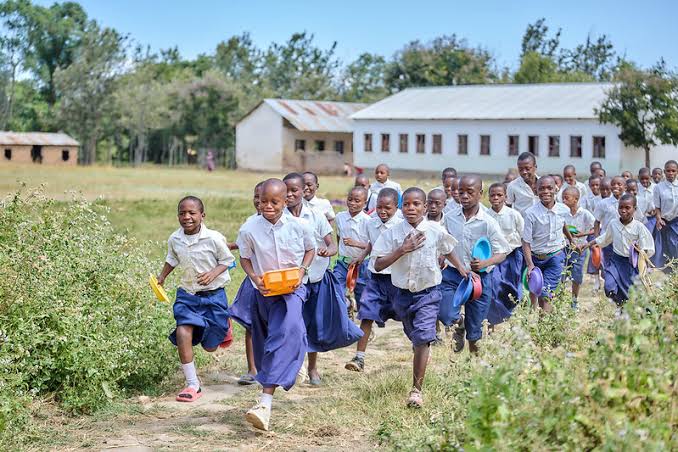
The Mnyagala Students Empowerment and Gender Development Program (MSE-GDP) is a sustainable, school-based youth initiative implemented at Mnyagala Primary School in the Tanganyika District of Katavi. Coordinated by a professional Social Welfare Officer, the project leverages the pre-existing FEMA Club infrastructure to deliver structured monthly sessions to young boys and girls. It bridges the gap between academic theory and practical life success by enriching pupils with critical 21st-century skills such as leadership, communication, and critical thinking without disrupting the official school schedule. The program shifts the community paradigm from reactive crisis intervention to a proactive protection and empowerment framework. By introducing an age-appropriate curriculum focused on self-awareness, personal body boundaries, and gender equality, MSE-GDP equips children to dismantle harmful stereotypes and recognize safety risks early. Ultimately, the project fosters a school culture built on mutual respect and shared leadership, preparing rural pupils to become confident, responsible citizens who actively contribute to the Tanzania Development Vision 2050.
About the project
The Mnyagala Students Empowerment and Gender Development Program (MSE-GDP) is a continuous, grassroots initiative dedicated to building the capacity, confidence, and safety of primary school pupils in rural Tanzania. Operating out of Mnyagala Primary School in the Tanganyika District of the Katavi Region, this project targets young boys and girls during their critical formative years. By integrating seamlessly into the school's existing FEMA Club structure, the program provides a sustainable, low-cost model for student development that works alongside regular teachers without interrupting the formal national academic curriculum. At its core, the project focuses on transforming how children perceive their potential, rights, and responsibilities. Through interactive monthly sessions consisting of group discussions, peer learning, and creative role-playing, the program delivers crucial education across six foundational pillars: Gender Equality, Self-Awareness, Dream Mapping, 21st-Century Life Skills, Child Protection, and Community Leadership. Led by a professional Social Welfare Officer, MSE-GDP equips rural children with the psychological and social tools necessary to navigate behavioral challenges, stay in school, and confidently pursue their future career aspirations. Rather than utilizing traditional classroom lecturing, the project employs a child-centered, strength-based approach. It actively encourages boys and girls to view each other as equal partners, effectively dismantling restrictive gender stereotypes that historically limit young girls' academic participation and self-esteem. Furthermore, by explicitly teaching personal body boundaries and safe reporting mechanisms, the program establishes a vital shield for early child abuse prevention. MSE-GDP serves as a scalable, localized framework that directly transforms school environments into safe, inclusive spaces, ensuring rural youth are empowered to drive the Tanzania Development Vision 2050.
Objectives
Promote Gender Equality: Educate students on gender equity, dismantle restrictive stereotypes, and foster mutual respect and cooperation between boys and girls.
Build Self-Confidence: Enhance students' self-awareness and public speaking abilities, empowering them to express themselves and confidently set personal boundaries.
Facilitate Future Dream Mapping: Guide pupils in discovering their talents, identifying positive career role models, and establishing realistic educational action plans.
Cultivate 21st-Century Life Skills: Strengthen core competencies including effective communication, collaborative teamwork, critical thinking, and responsible problem-solving.
Strengthen Early Child Protection: Provide practical knowledge regarding personal body boundaries, recognize safe versus unsafe situations, and teach formal reporting mechanisms.
Foster Student Peer Leadership: Cultivate a generation of proactive youth leaders within the FEMA Club who act as positive change agents in their families and community.
Outcomes & learning
Enhanced Self-Confidence and Expression: Students—particularly young girls—will demonstrate measurable growth in public speaking, self-worth, and the ability to articulate their ideas confidently.
Reduced Gender Bias and Stereotypes: The school environment will see increased academic cooperation and mutual respect between boys and girls, significantly minimizing gender-based bullying.
Strengthened Child Protection Awareness: Pupils will possess an accurate understanding of personal body boundaries and will be fully equipped to recognize, resist, and safely report abuse or exploitations.
Structured Goal-Orientation: Every active member of the FEMA Club will establish a personal "Dream Action Plan" mapping out their educational milestones and career aspirations.
Active Peer-Led Leadership: The program will graduate skilled student leaders who act as proactive change agents, carrying values of safety, equality, and civic responsibility back into their families and villages.